
Ocean Fish Arena gives players a direct fish table format where aiming, timing, and room choice shape each round. This article is written for members of 333JILI, helping them understand play, rules, and choices before paid rooms.
Learning the table texture of Ocean Fish Arena
The first look at Ocean Fish Arena centers on moving fish, cannon shots, and target values. Players see creatures crossing, then decide which shot size fits the pace. The format stays simple because actions connect to aiming and results.
At 333JILI, members can view PHP or USD balance before entering a room. The setting of Ocean Fish Arena keeps the screen clear, so players can follow targets without long menus. A round feels active, but the main task remains choosing worthwhile shots.
Because Ocean Fish Arena uses moving targets, players should watch speed, size, and reward labels together. Small fish may fall quickly, while larger creatures need more hits. This rhythm helps members avoid random firing and focus on readable table moments.

How players read guidelines and table flow
Rules matter because each table uses shot cost, target value, and hit results together. Players should read these parts, then choose rooms matching PHP or USD balance.
Ocean Fish Arena basic round
A basic round begins when players enter a room and load the active table. The cannon sits near the bottom, while fish groups move across several paths. Each shot spends an amount, then the table checks catches.
In Ocean Fish Arena, a caught fish returns value based on its type and table rule. Some creatures carry small rewards, while rare targets can carry stronger returns. The result appears quickly, so players can follow the next decision without delay.
Members should note that every shot has a cost before it leaves the cannon. A PHP 10 shot differs from a PHP 50 shot because the stake changes exposure. USD rooms work the same way, only the balance display uses another currency.
Target value and payout signs
Target value usually appears through fish size, color, movement, or table labels. Players should treat these signs as tools, not promises of results. A large target may look useful, but it can also take many shots.
Smaller targets often move in groups, creating more catch chances. These fish can support a smoother pace when the screen becomes crowded. Members who follow group movement can choose paths with cleaner aiming lines.
Special signs may appear when a table event starts or a rare target enters. Players should watch the screen before firing during these moments. A clear path matters more than chasing a target blocked by other fish.
Cannon level and shot cost
The cannon level decides how much each fired shot costs on the table. Higher levels may feel stronger, but they spend balance faster than lower choices. Players should check this setting before a wave becomes busy.
Shot cost can be shown in PHP or USD, depending on the selected room. A player using PHP 20 shots will see balance change after every round. This makes cost visible and easy to compare with target value.
Changing cannon level during play can help match target size and screen speed. Lower shots fit small fish, while larger targets may need stronger hits. Members should avoid changing levels too often because it can break rhythm.
View more: Golden Kraken Shooter – Defeat Giant Sea Monsters For Wins
Bonus fish and special targets
Bonus fish usually appear less often than normal moving targets. They may carry special effects, extra values, or table events linked to the round. Players should read the icon or label before spending many shots.
Some special targets move fast, while others stay longer. Fast targets can drain shots when players chase them from poor angles. Slower targets allow cleaner lines when nearby fish are not blocking view.
A bonus target still follows the table rules for cost and result. It is not a guaranteed return just because the design looks different. Members get better readings by checking movement first, then judging the shot path.
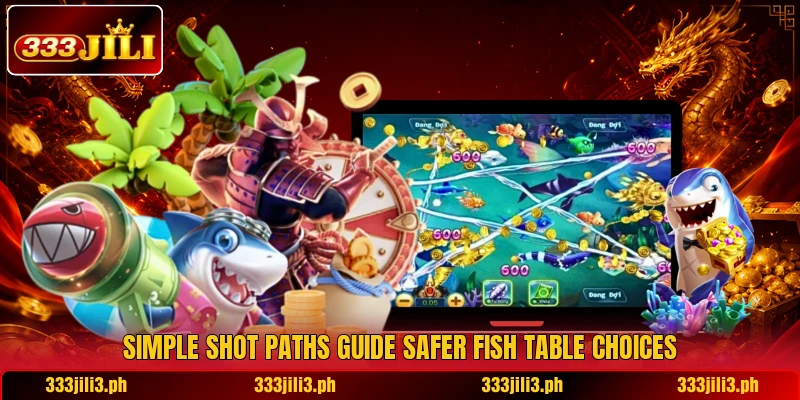
Ways to choose chambers and shot timing
Room choice shapes speed, stake range, and pressure before the first shot. Players should match room type with preferred shot size, then focus on timing instead of constant firing.
Room choice for table pace
Different rooms may carry different entry levels, shot costs, and target patterns. A low room can suit members testing the screen with smaller PHP values. A higher room can move faster and may require closer attention.
In Ocean Fish Arena, room pace is important because fish movement changes aiming quality. Slow rooms give players time to read paths before firing shots. Faster rooms create more overlap, so clean target lines become harder to find.
Members should enter a room only after checking the displayed stake range. A room showing USD pricing should be reviewed the same way as PHP. The currency changes display, but cost reading remains.
Shot timing amid active waves
Shot timing works best when players watch where fish will move next. Firing at the front of a path can be cleaner than chasing from behind. This approach gives the cannon a better angle during moving waves.
Crowded waves can look useful because many targets fill the same area. Still, too many bodies can block the fish that players actually want. A short pause can reveal a better line after the group spreads.
During Ocean Fish Arena play, timing also matters when special fish enter from the side. Players should check whether the target crosses an open lane before firing. A clear lane reduces wasted shots caused by blocked movement.
Balance between target scale and cost
Target size should be compared with shot cost before players commit repeated fire. A large fish may need several hits, which raises the total spend. Small fish may pay less, but they can be easier to catch.
Players using PHP rooms can compare every shot with the visible balance change. Members using USD rooms should make the same check after each short sequence. This habit keeps the table readable without complicated formulas.
A balanced shot choice means the target, cost, and angle make sense together. In Ocean Fish Arena, that balance can change as waves become faster or thinner. Players should review the screen often, because one good path can disappear quickly.

View more Category: Fish
Conclusion
Ocean Fish Arena is easiest to follow when players understand target value, cannon cost, room pace, and timing. The game suits members who want a clear fish table experience on 333JILI without confusing rule layers. Register, load the app, choose a suitable room, and good luck with every clean shot.